Unique
kétnyelvű oktatás
We work tirelessly to provide our children with a challenging, learning-stimulating bilingual environment, helping them develop a passion for learning and creative thinking, thus laying the foundation for their future opportunities.
Why Bilingual?
Near-native English
English abilities at advanced high school graduation level by the end of primary school

Developing 21st-century skills
Interactive, communication-centered learning producing creative and critical thinkers
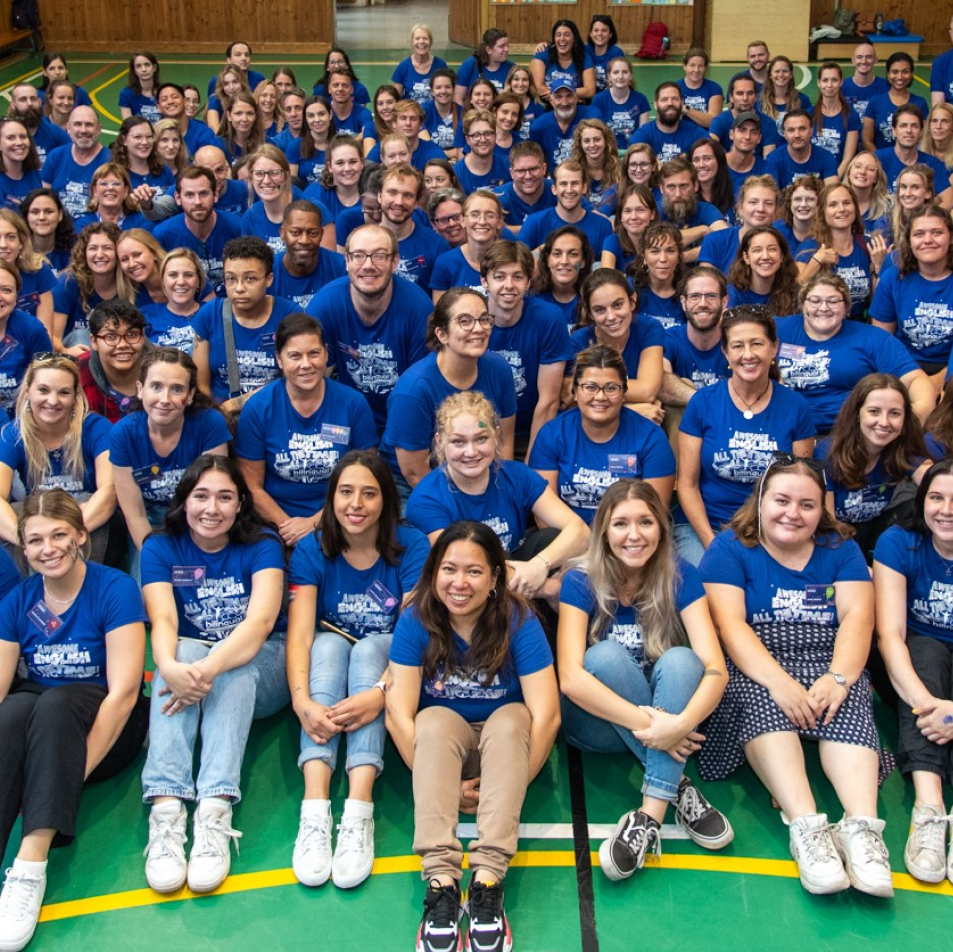
Native English-Speaking Teachers
The Bilingual Program employs only native English-speaking teachers. They come from many English-speaking countries around the world (e.g. USA, Canada, Great Britain, Australia and South Africa) and all have a higher education degree and a “teaching English as a foreign language” (TEFL, teaching English as a foreign language) qualification.
Co-teaching
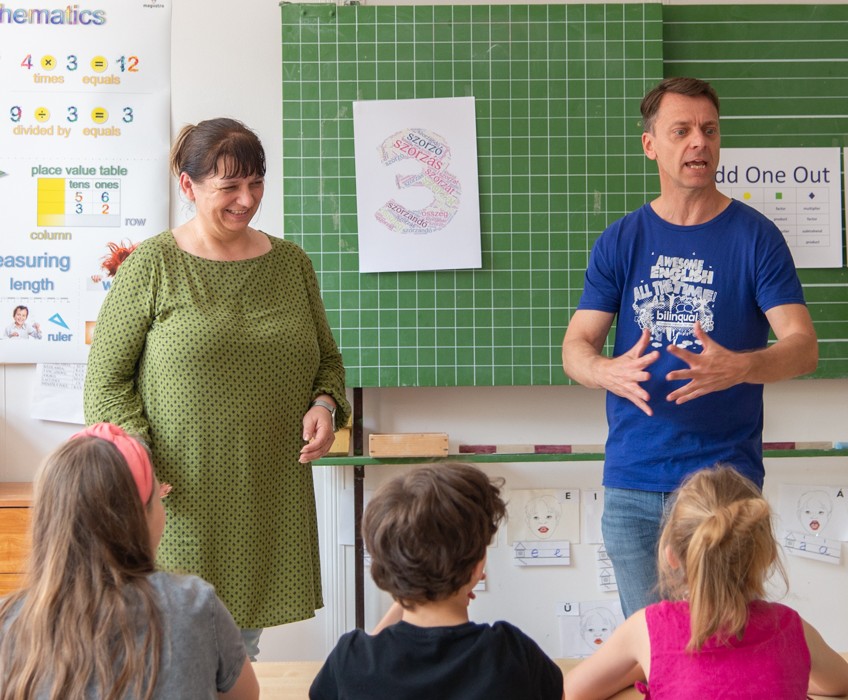
A unique element of the Bilingual Program is the use of the bilingual family model in the school environment. Each class (*) is taught by two teachers, one native speaker of English and one native speaker of Hungarian. The lessons are held in both languages, there is no translation or repetition, blocks and tasks build on each other; for example, the first part is in Hungarian, and the second one is in English, and so on. With frequent language changes, we achieve a natural bilingual environment and that the children use both languages with equal confidence.
The Active classroom
The focus of the Bilingual Program is on interactivity and communication. Our teachers strive to involve the children in every lesson, both through teacher-student and group interactions. Language teaching is communication-oriented; this also comes from the bilingual family model. The language teaching methodology is CLIL (Content and Language Integrated Learning), so the children do not experience language learning as a subject, but rather as a natural communication tool that they use automatically in everyday life.
Hungarian Language Development
The Bilingual Program is the only school education program in Hungary that is bilingual throughout the school day, for the vast majority of classes (*). Thus, development in both languages is guaranteed. Our more than 20 years of work and its results prove that the Hungarian language and subject development of the children studying in the Bilingual Program is at the same level as in the best elementary schools. At the same time, all of this, in a unique way, is also true for English language and subject development.
*except for the subjects of Hungarian language and literature, ethics and some natural science classes in upper school
The Bilingual Reading Program
The Bilingual Program considers reading to be very important as a means of learning about the world. Reading is an opportunity that helps develop an openness to the world; it aids the development of learning skills and abilities, awakens curiosity and encourages thinking. Therefore, the Bilingual Reading Program starts at the beginning of second grade. In the lower grades, children read and process shorter texts and then proceed to longer, age-appropriate texts that are organized by topic (currently: Kids A-Z app). In the upper grades, original, English-language (not abridged!) books that meet the interests of today’s children are read and worked on in class. In many cases, the class itself decides on the specific reading material from the youth literature list suggested by our teachers.
Computational Thinking
One of the most important 21st century skills is computational thinking. This is the ability with which our students learn to break down larger, complex problems into solvable, smaller parts and then reassemble the big whole. This develops skills such as critical thinking, creativity and logical reasoning. As part of the regular lessons, our teachers use tasks and techniques that develop this very important ability.
The Bilingual House System
For our upper grades, the novel-like House System offers an excellent opportunity for extracurricular language practice and learning the tricks of teamwork. During the school year, the four houses (organized across our institutions) compete for points and the final victory in various programs organized at school, as well as in mid-year, and one- or two-day camps.
Bilingual in numbers
1600
Students

109
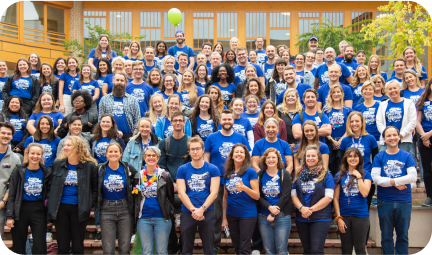
Native staff
24
Years of experience
11
Partner institutions
93
%
Parent statisfaction
Bilingual education
The Bilingual Program provides a significant level difference in the teaching of the English language compared to the traditional national bilingual program and provides the entire Hungarian curriculum.
In the framework of the partnership, we provide intensive bilingual training within the framework of the Hungarian bilingual education system. In addition to providing an intensive five-day-a-week English-language environment, we also hold various camps and afternoon sessions.

- All institutions
- Krúdy Gyula Angol-Magyar Két Tanítási nyelvű Általános Iskola 1037 Budapest, Gyógyszergyár utca 22-24.
- Óbudai Nagy László Magyar-Angol Két Tanítási Nyelvű Általános Iskola (Váradi) 1035 Budapest, Váradi utca 15/b
- Színes Világ Magyar-Angol Két Tanítási Nyelvű Általános Iskola 1032 Budapest, Zápor utca 90.
- Pais Dezső Általános Iskola 1038 Budapest, Pais Dezső utca 1-3.
- Megyeri Úti Általános Iskola 1044 Budapest, Megyeri út 20.
- Budakeszi Széchenyi István Általános Iskola 2092 Budakeszi, Árpád fejedelem tér 1. / Knáb János utca 60.
- Óbudai Százszorszép Óvoda 1032 Budapest, Reménység utca 6.
- Színes Gyerekkert Óvoda 1032 Budapest, Gelléri Andor Endre utca 6-8.
- Újpesti Nyár Óvoda 1042 Budapest, Nyár utca 14.
- Budakeszi Szivárvány Óvoda 2092 Budapest, Fő utca 268.
- Európa 2000 Gimnázium 1143 Budapest, Gizella út 42-44.
Partner institutions
The Bilingual Program is currently operating in 11 partner institutions in Budapest and Budakeszi.
 4 kindergarden
 8 primary school
 1 high school
Testimonials
-

Értékelő személy neve
Értékelő személy titulusa
It was the best possible option for my daughter Fanni to join the High Five English Club at Megyeri Úti Primary School. Fanni started English from scratch and now she…
-
Értékelő személy neve
Értékelő személy titulusa
I just wanted to say how nice it was to do exams at your school a while back. Welcoming staff, and above all such a high standard of English among…
-
Értékelő személy neve
Értékelő személy titulusa
(graduation speech) ‘Dear English Teachers, Thank you very much for teaching us these past years. Thank you for your efforts, devotion and kind care of us. You always made sure…
Our community life
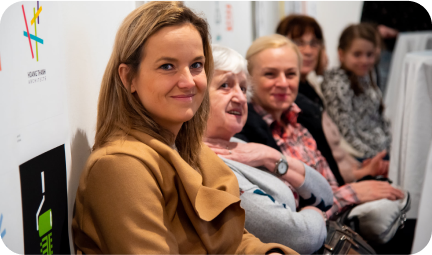
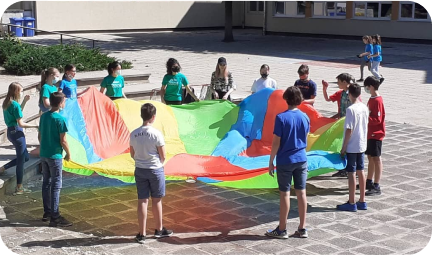
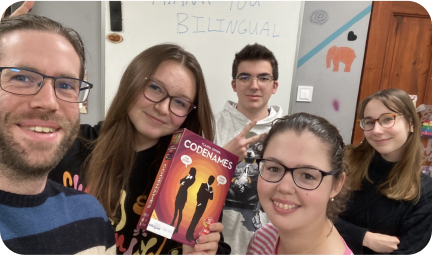
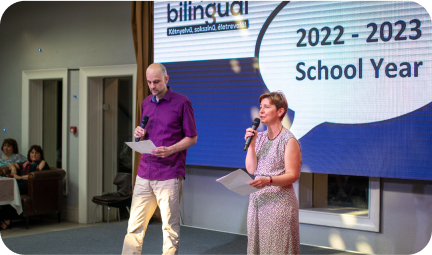
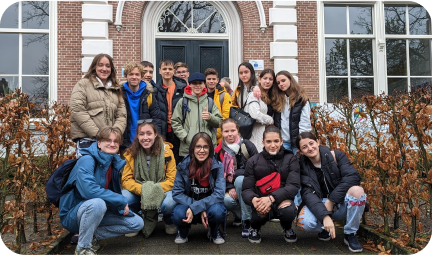
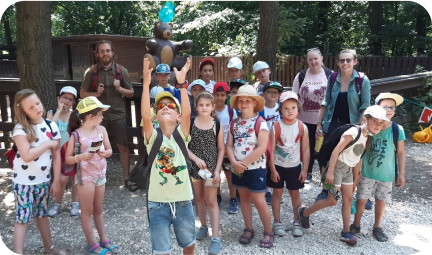
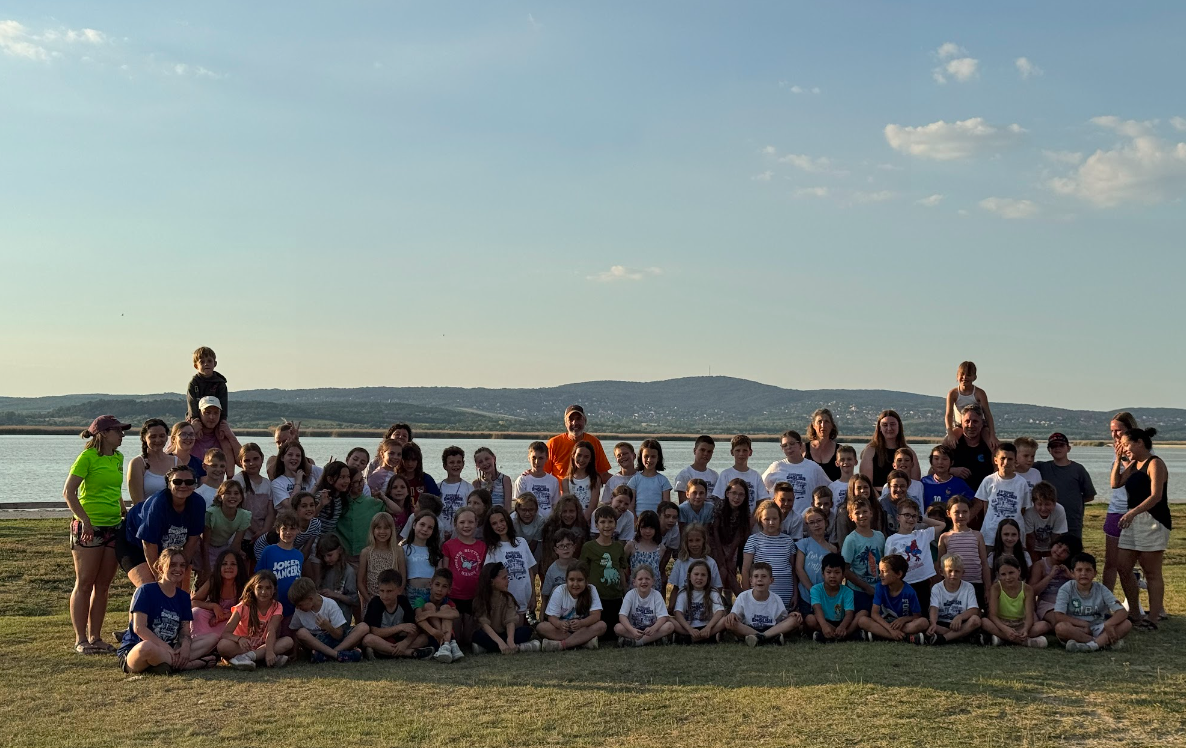
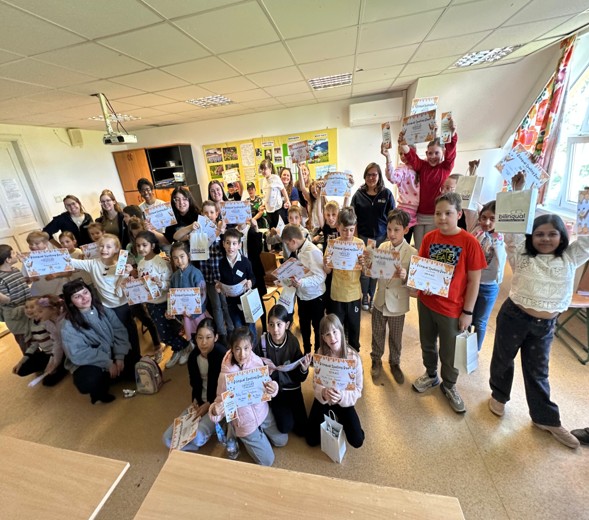
There are plenty of programs waiting for the students outside of the lessons, be it the exciting contests of the House System, daycare or overnight camps, foreign exchange programs, or trips.
 Events
 Gallery
 News
News